Tutting at the Ticket Machine: Why an Unordered Backlog Is a Queue Nobody Joins
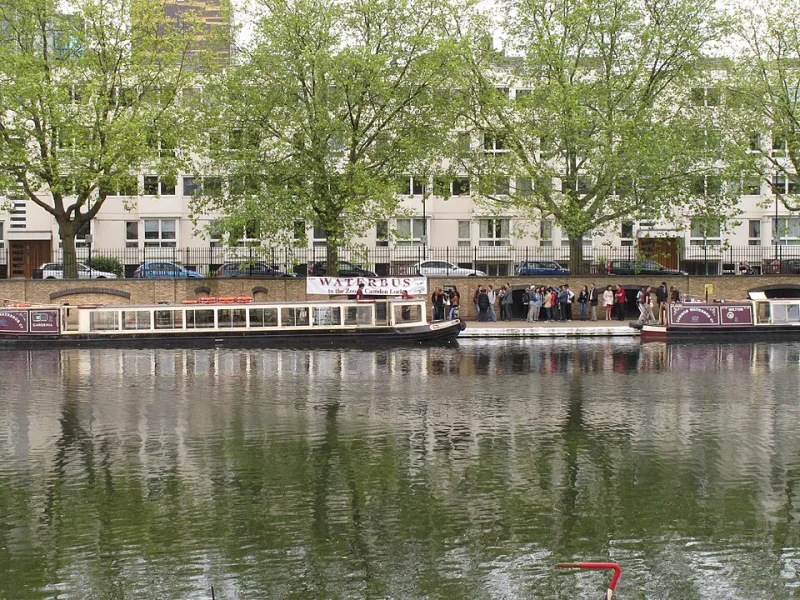
Photo: David Hawgood , CC BY-SA 2.0, via Wikimedia Commons
Britain has a world-class queueing culture. We know where the end is. We know who is next. We know the correct distance to stand from the person in front, and we know the exact face to make when someone pretends not to notice the queue and joins at the side. Your sprint backlog is a queue. The trouble is that most teams run it like a bus stop with no timetable, no rope and a sign that says 'please wait here' pinned to a wall that has been moved twice.
Every backlog is a queue
A backlog is not a bucket of ideas. It is a sequence of promises. If the sequence is unclear, every item claims equal urgency, which means none of them are urgent. Stakeholders learn to shout. The team learns to ignore. The queue etiquette collapses and everyone starts tutting.
That tut is not a small thing. In Britain, a tut is a formal complaint. It is the sound of a person deciding not to make a scene but to remember this moment for the rest of their natural life. If your stakeholders are tutting, you have a backlog problem.
The quiet fury of an invisible wait
People will tolerate a long queue if they can see it moving. They will tolerate a slow bus if the timetable is honest. What they will not tolerate is a wait with no end, no order and no explanation. A backlog with four hundred items and no priority is exactly that. It is a queue where nobody knows how long they will be standing there, who is ahead of them, or whether the thing they are waiting for will ever arrive.
So they do not rage. They disengage. They stop raising tickets. They stop coming to planning. Then someone says, 'The business has gone quiet,' and everyone nods sadly while the queue continues to not move.
Queue-jumping by the loudest
Every backlog has a queue-jumper. It is usually a salesperson with a promise, a founder with a 'quick win' or a senior stakeholder with a meeting invite and a tone. The item gets added at the top. Then another one. Then another. The team starts work on the loudest thing rather than the most valuable thing, and the queue becomes a museum of other people's urgency.
The fix is not to become rigid. The fix is to make the queue visible. One queue per team. One owner. A published order. If something genuinely has to jump, it should be a decision with a name attached, not a mysterious act of weather.
The polite British lie
'It is on the backlog' is the software version of 'We must do lunch.' It is a polite lie. It means no. It means not now. It might mean not ever. That is fine. What is not fine is letting the other person believe they are in a queue when they are actually in a storage cupboard.
A better sentence is: 'We are not doing that this quarter. Here is why. We will revisit it in April if the support volume is still above X.' That is not rude. That is queue management. It gives the person a position, a reason and a date. It is the difference between a bus timetable and a shrug.
A blunt fix for British teams
First, cap the visible queue. Keep ten to twenty items in the active backlog. Everything else goes into a 'not now' list that is reviewed on a schedule. A backlog you cannot read is not a plan; it is a landfill with labels.
Second, make priority a position, not a label. If everything is P1, nothing is. Order the items. The top item is the next thing. The second item is the thing after that. If nobody can agree on the order, you do not have a priority problem. You have a decision problem, and it belongs to the person with the authority to decide.
Third, limit work in progress. A queue that moves but never delivers is just a faster queue to nowhere. If the team is juggling six things, nothing is moving. Put a hard limit on the number of things in flight and watch the queue start to behave.
Fourth, age out the old stuff. If an item has been waiting for two years, it is not important. It is a ghost. Archive it with a short note and see if anyone notices. They usually will not. If they do, they can ask for it again. That is a feature, not a bug.
The bus that never comes
A backlog that never moves is not a plan. It is a shrine. People stop joining the queue because they have learned that the bus does not come. Then the team wonders why the product feels stale and why nobody wants to contribute ideas. The queue was the invitation. You left it out in the rain.
So treat the backlog like a queue at a proper bus stop. Show the timetable. Keep the line moving. Tell the person at the back what time the next one leaves. And if the next one is not coming, say so. The tutting will stop. Mostly. There will still be one person who stands too close, but that is Britain.